30 Jun 2026Mould4 min read
How to Remove and Prevent Mould in Singapore: Walls, Ceilings and Wardrobes
Mould thrives in Singapore's humidity, on walls, ceilings, wardrobes, clothes and bags. Here's how to remove it safely, why it keeps coming back, and how to stop it for good.
DRS
DRS Technical Team
Meet our specialists
Highlights
- Small surface patches (under about 1 square metre) can usually be cleaned with white vinegar; never mix cleaning chemicals.
- Mould on a ceiling is almost always a sign of condensation or a hidden leak above, so cleaning alone will not keep it away.
- The real fix is moisture control: keep indoor humidity around 50 to 60 percent and repair leaks quickly.
- Recurring, large or ceiling mould usually needs professional remediation that treats the source, not just the surface.
In Singapore's warm, humid climate, mould is a year-round problem. It shows up as black or green spots on walls and ceilings, a musty smell in the wardrobe, fuzzy patches on leather bags and shoes, and stains on clothes that have been stored too long. This guide covers how to remove mould safely, why it keeps coming back, how to prevent it, and when a quick clean is not enough.
What causes mould on walls and ceilings?
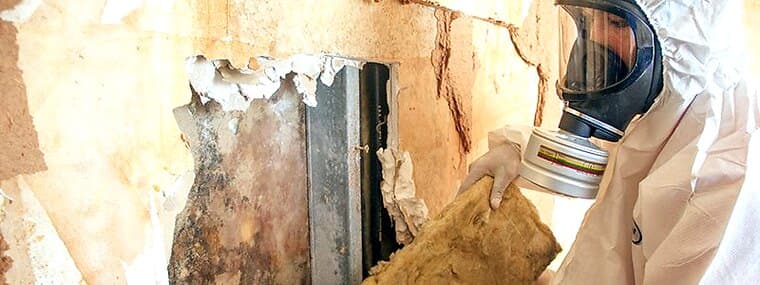
Mould is not a problem indoors until its spores land on a damp surface and start growing. In Singapore, that dampness comes from three main sources:
- High humidity. Our outdoor humidity is high most of the year, and poorly ventilated rooms, wardrobes and corners trap that moisture.
- Condensation. Air-conditioned surfaces, cold walls and ceilings below a wet area collect condensation that feeds mould.
- Hidden leaks. A leaking pipe, a failed waterproofing layer, or a ceiling leak from the unit above keeps a surface permanently damp.
This is why mould on a ceiling almost always has a cause above it: condensation, or water seeping down from the floor slab or roof. Cleaning the surface helps for a while, but if the moisture source stays, the mould comes straight back.
How to remove mould from walls (small patches)
For a small patch of surface mould on a wall, under roughly one square metre, you can usually clean it yourself:
- Ventilate the room and wear a mask and gloves.
- Spray white vinegar directly onto the mould, leave it for about an hour, then wipe it down. Vinegar kills most common household surface mould.
- Dry the area thoroughly afterwards, because any leftover moisture invites the mould back.
A few safety notes: never mix cleaning chemicals (especially bleach and ammonia), and if you want to clean mould off a painted wall without stripping the paint, test a small area first and wipe gently rather than scrubbing hard. If the mould keeps returning to the same spot, that is a sign the wall is staying damp and the cause needs fixing, not just the surface.
How to get rid of mould on a ceiling
Ceiling mould is trickier than wall mould because the moisture usually comes from above. You can wipe the surface down with vinegar as above, but the mould will return unless you address the cause: condensation, a roof leak, or an inter-floor leak from the unit above. If you suspect a leak, our guide to ceiling leaks in HDB flats and condos walks through who is responsible and how to get the source fixed. Large or recurring ceiling mould is best handled professionally, both because the cause is hidden and because cleaning overhead mould without proper containment spreads spores around the room.
How to prevent mould in Singapore's humidity
Because moisture is the root cause, prevention is all about keeping things dry:
- Keep indoor humidity around 50 to 60 percent. A dehumidifier in problem rooms makes a big difference, especially in wardrobes and store rooms.
- Improve airflow. Leave a gap behind wardrobes and large furniture, open windows when you can, and run exhaust fans in bathrooms and kitchens.
- Dry wet areas fast. Wipe down condensation, dry bathroom walls, and never leave damp laundry or towels piled up.
- Protect stored items. Silica gel or a small dehumidifier in a wardrobe helps protect clothes, leather bags and shoes, which mould easily in still, humid air.
- Fix leaks quickly. A slow leak behind a wall or above a ceiling will defeat every other measure, so deal with the source as soon as you spot a damp patch.
If mould keeps coming back despite all this, there is almost always a hidden moisture source, and that is the point to get it investigated properly.
DIY or professional mould removal: which do you need?
DIY cleaning is fine for a small, one-off surface patch that you can reach safely. You should bring in a professional when:
- the mould keeps coming back after cleaning,
- it covers a large area (more than about a square metre),
- it is on a ceiling or hidden behind or inside walls,
- there is a damp or musty smell with no obvious patch, or
- anyone in the home has asthma, allergies or a weakened immune system.
Professional remediation does what surface cleaning cannot: it finds and fixes the moisture source, contains the area so spores do not spread, treats the affected materials with anti-microbial methods, and verifies that the air is clean afterwards. That is the difference between covering up mould and actually getting rid of it. You can read more about our approach on the mould removal service page, and about the broader picture on indoor air quality.
Is mould dangerous to your health?
Mould produces allergens and irritants, and for sensitive people it can trigger hay-fever-type symptoms, skin and eye irritation, and asthma attacks. The US Environmental Protection Agency's Mold and Health guidance explains the effects and reinforces the single most important point: the key to controlling mould is controlling moisture, and water-damaged areas should be dried within 24 to 48 hours to prevent growth. For workplaces and larger buildings, Singapore's NEA publishes guidance on ventilation and indoor air quality.
Need disaster restoration help?
We respond 24/7 across Singapore and the region.
FAQ
Frequently asked questions
For a small patch, spray white vinegar, leave it about an hour, wipe it down and dry the area fully. Never mix cleaning chemicals. If it keeps coming back, the wall is staying damp and the cause needs fixing.
Related service
Mould Removal
Sources and helpful resources
Keep reading