Case Study
Reviving a Resort from Ashes: Fire Disaster Restoration in Bintan, Indonesia
DRS restores a fire-damaged resort in Bintan, Indonesia, tackling soot in 70 rooms and restoring luxury and safety swiftly.
- Location
- Bintan, Indonesia
- Incident
- Transformer room fire
- Primary Risk
- Soot spread through ducts
- Scope
- Guest rooms, ducting, machinery
- Goal
- Safe resort reopening
Fire Disaster at a Luxurious Resort: Setting the Stage for a Remarkable Recovery
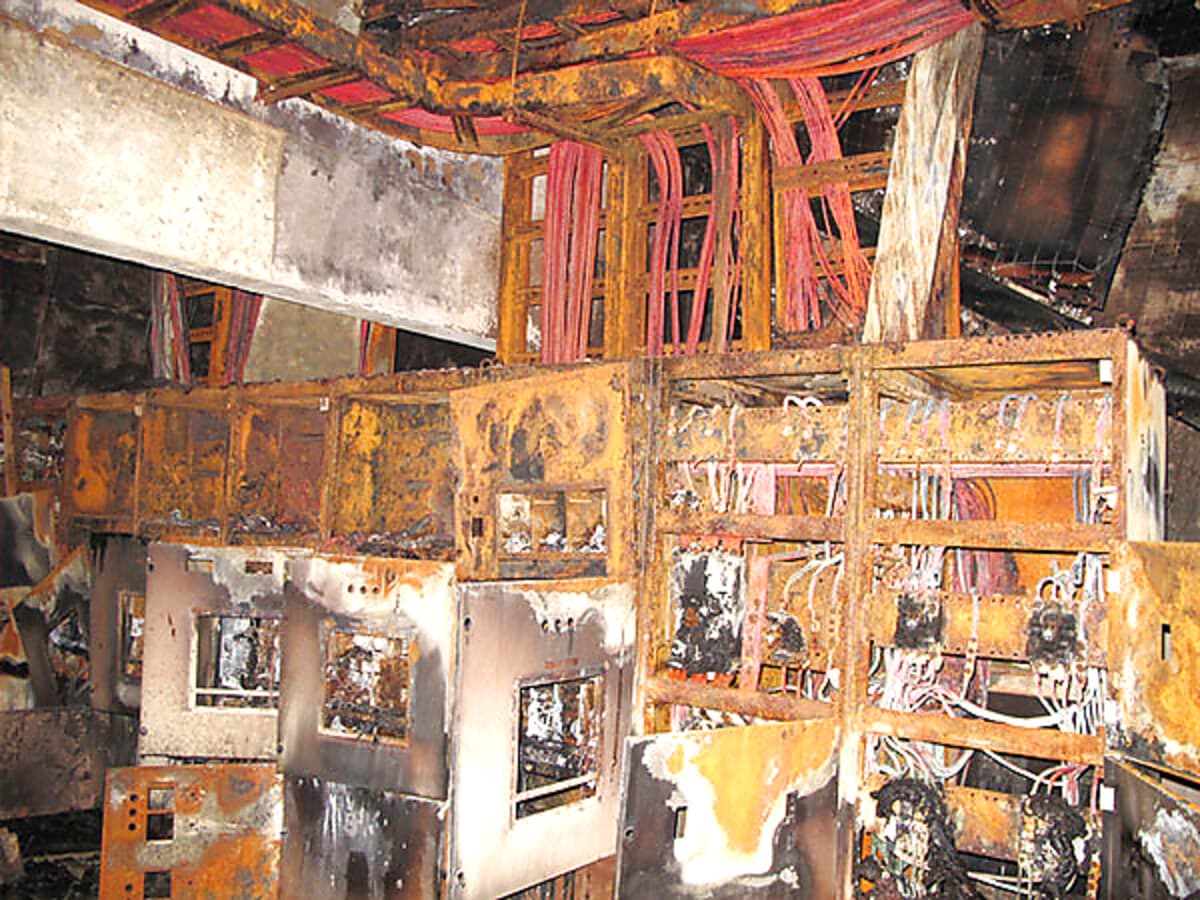
This case study narrates the remarkable recovery of a resort in Bintan, Indonesia, from a devastating fire disaster, highlighting DRS’s expertise in disaster restoration. The resort, a popular destination known for its luxurious amenities and scenic beauty, faced an unprecedented challenge when a fire erupted in its transformer room. This catastrophic event not only damaged critical machinery but also caused extensive soot damage that permeated more than 70 guest rooms through the duct system.
The disaster posed significant challenges, including the need to promptly restore the resort to its former glory while ensuring the safety and comfort of future guests. The urgency was compounded by the resort’s reputation and financial considerations, making swift and effective restoration a necessity. This introduction sets the stage for an in-depth look at the complex challenges faced, the innovative solutions implemented, and the impactful results achieved in restoring the resort to its pristine condition.
Soot, Smoke, and System Loss: The Extensive Challenges Faced
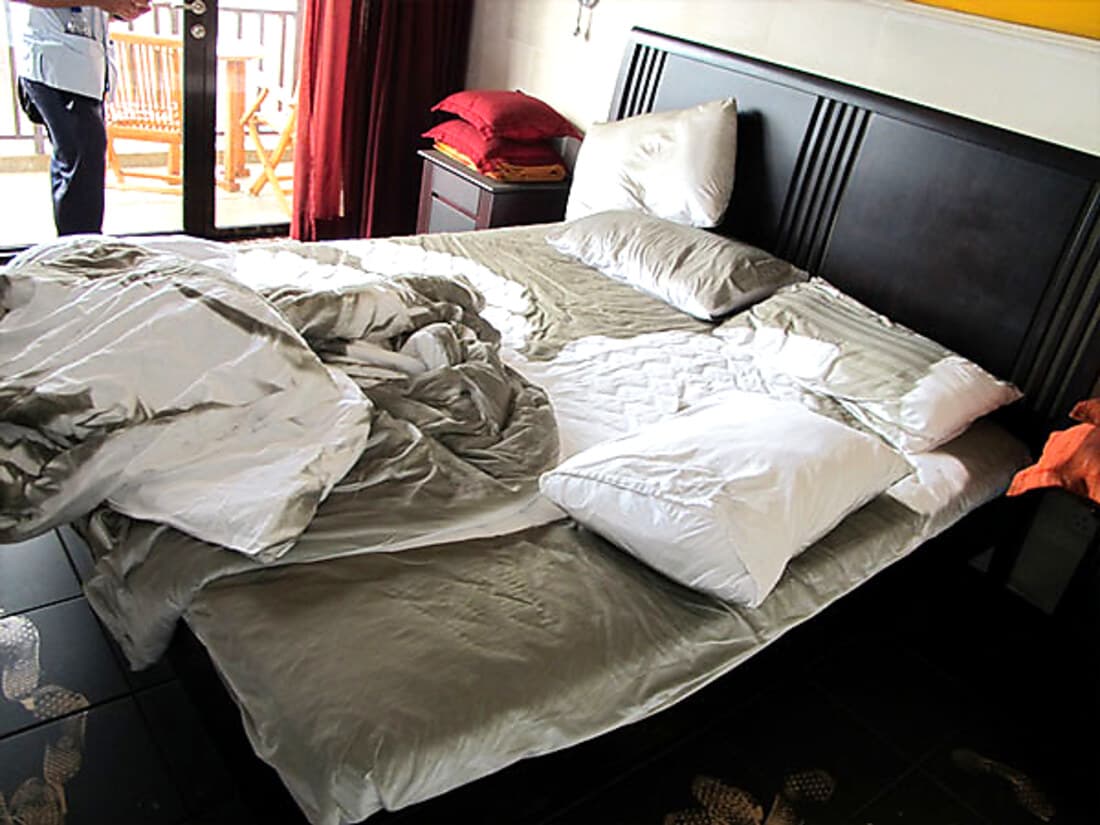
The fire in the transformer room unleashed a series of problems that went beyond the immediate area of combustion. The most pressing issue was the soot and smoke damage that had infiltrated the duct system, spreading to over 70 guest rooms. This widespread contamination posed a significant threat to the health and safety of guests and staff, and it jeopardized the resort’s operational capabilities.
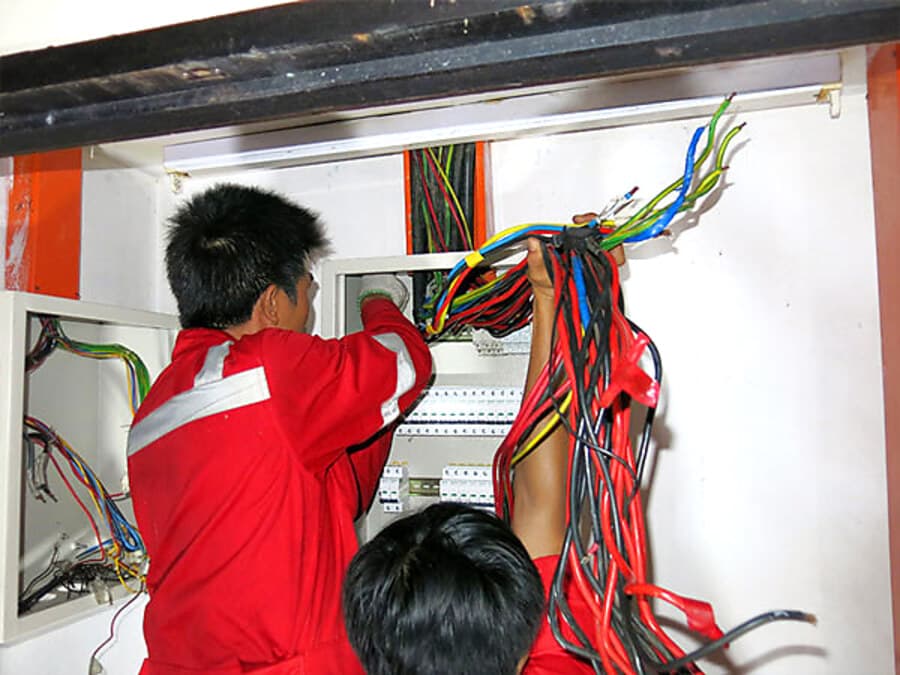
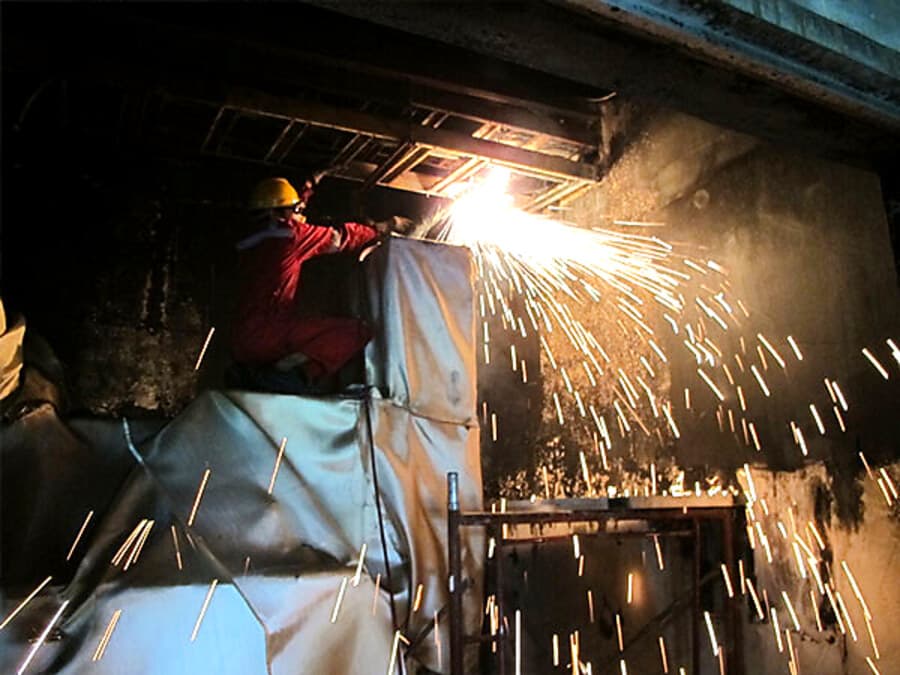
Additionally, the destruction of the transformer units and some machinery presented a substantial technical challenge. The machinery that was beyond repair needed to be replaced, and the electrical infrastructure had to be restored to ensure the resort’s functionality. The scope of the damage required a comprehensive restoration approach that addressed both the visible and underlying issues caused by the fire.
The project also faced logistical challenges, given Bintan’s location and the need for specialized restoration equipment and materials. Coordinating the restoration efforts while maintaining the highest standards of safety and quality was crucial. This section details the complexities of the disaster, highlighting the need for a meticulous and multifaceted restoration strategy.
Innovative Solutions: DRS’s Comprehensive Restoration Techniques
DRS led the restoration project with a strategic approach, emphasizing efficiency and thoroughness. The first step was to conduct a detailed assessment of the damage, which guided the subsequent restoration plan. Our team, experienced in handling large-scale disasters, quickly mobilized to tackle the various challenges.
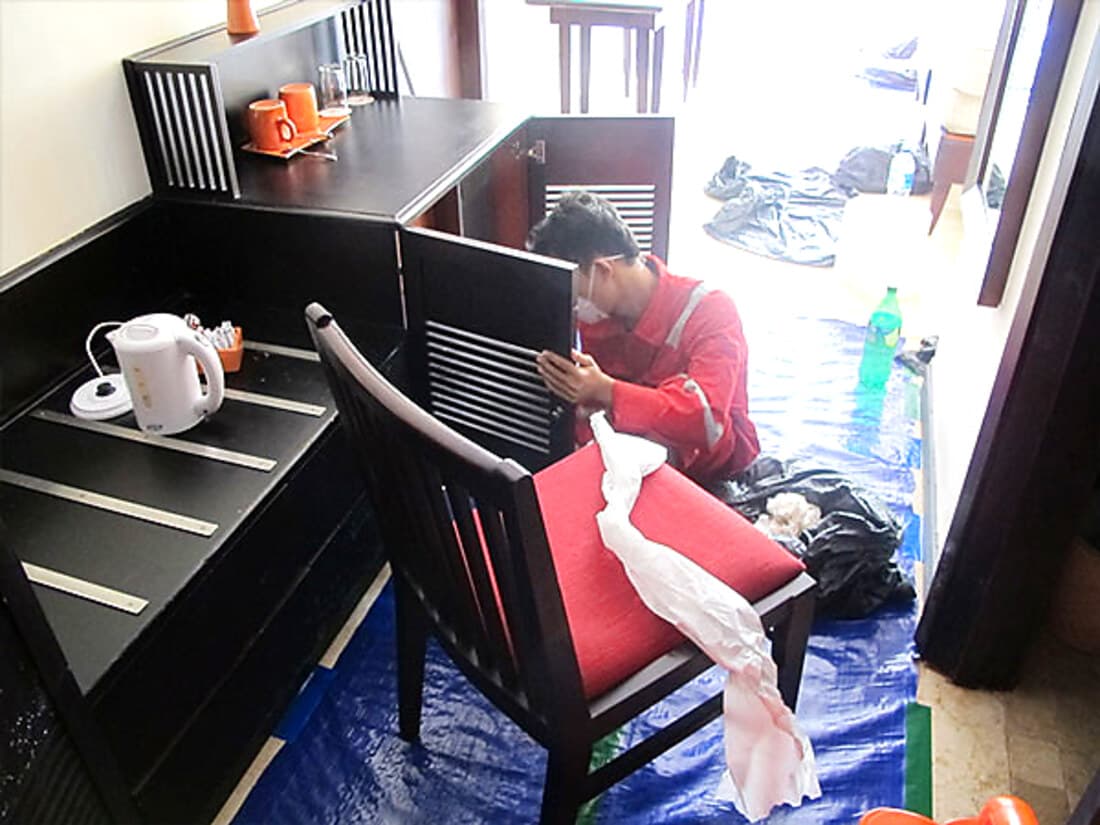
For the guest rooms affected by soot, our focus was on comprehensive decontamination. This involved deep cleaning of all surfaces, fabrics, and contents to remove soot particles and eliminate any lingering odors. Specialized equipment and cleaning agents, primarily sourced from Singapore, were utilized to ensure that each room was restored to its original condition.
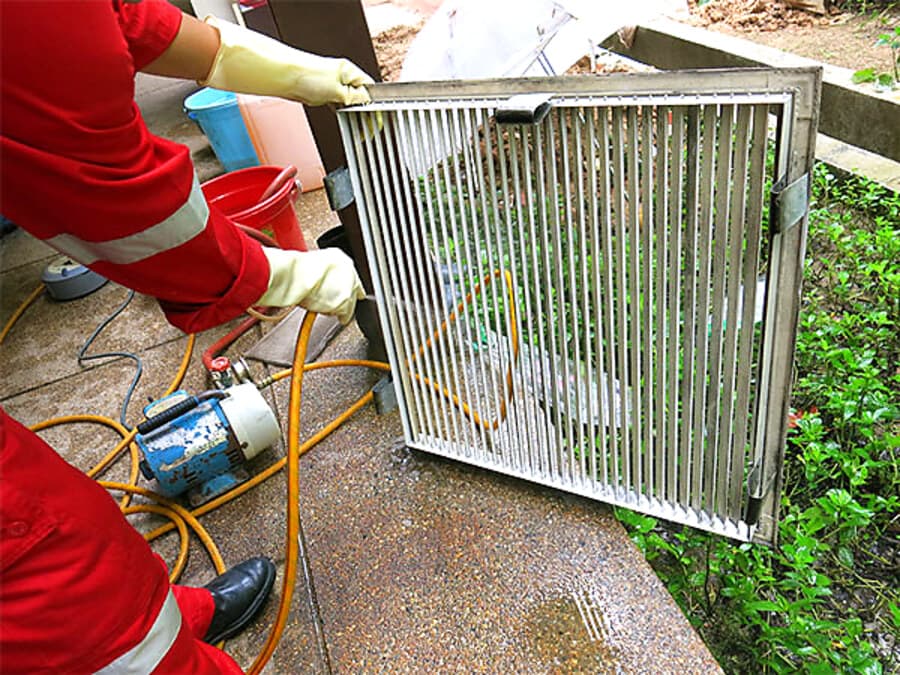
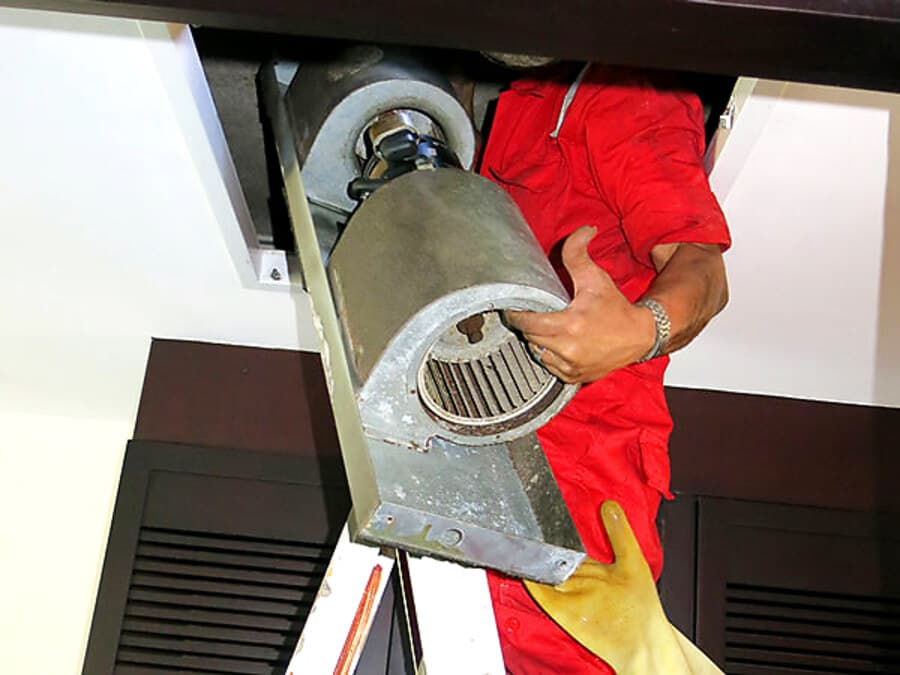
The duct system, a crucial component in the spread of the soot, underwent thorough cleaning to prevent any residual contaminants from affecting the air quality. This step was vital in ensuring the health and safety of future guests and staff.
Furthermore, the damaged transformer units were replaced with new, high-quality units to restore the electrical infrastructure of the resort. Collaborating with local partners, we ensured that all materials and supplies required for the project were promptly available, minimizing delays in the restoration process.
Our comprehensive approach, combining expert knowledge with efficient project management, ensured that every aspect of the damage was addressed, from structural repairs to aesthetic restoration.
Restoring Reputation and Operational Excellence
DRS led the restoration project with a strategic approach, emphasizing efficiency and thoroughness. The first step was to conduct a detailed assessment of the damage, which guided the subsequent restoration plan. Our team, experienced in handling large-scale disasters, quickly mobilized to tackle the various challenges.
For the guest rooms affected by soot, our focus was on comprehensive decontamination. This involved deep cleaning of all surfaces, fabrics, and contents to remove soot particles and eliminate any lingering odors. Specialized equipment and cleaning agents, primarily sourced from Singapore, were utilized to ensure that each room was restored to its original condition.
The duct system, a crucial component in the spread of the soot, underwent thorough cleaning to prevent any residual contaminants from affecting the air quality. This step was vital in ensuring the health and safety of future guests and staff.
Furthermore, the damaged transformer units were replaced with new, high-quality units to restore the electrical infrastructure of the resort. Collaborating with local partners, we ensured that all materials and supplies required for the project were promptly available, minimizing delays in the restoration process.
Our comprehensive approach, combining expert knowledge with efficient project management, ensured that every aspect of the damage was addressed, from structural repairs to aesthetic restoration.
How we did it
Our remediation process
- 1
Damage assessment
Inspect the transformer room, affected machinery, guest rooms, duct system, and soot spread to set priorities.
- 2
Containment & planning
Separate affected areas, set cleaning zones, sequence rooms, and coordinate equipment and materials.
- 3
Deep soot decontamination
Clean surfaces, fabrics, contents, fixtures, and finishes to remove soot particles and odour sources.
- 4
Duct system cleaning
Clean the ventilation pathway so residual contaminants don't affect indoor air quality.
- 5
Electrical restoration coordination
Replace damaged transformer units and coordinate with partners to restore the electrical infrastructure.
Have a fire & smoke damage issue?
We respond 24/7 across Singapore and the region.
Results
What it delivered
Guest rooms decontaminated
Deep cleaning addressed soot across surfaces, fabrics, contents, and odour.
Duct contamination addressed
Ventilation pathways were cleaned to reduce the risk of residual soot affecting air quality.
Electrical infrastructure restored
Damaged transformer units were replaced with support from local partners.
Operational readiness improved
The restoration moved the resort toward safe reopening and service continuity.
On site
Project gallery
Related service
Fire & Smoke Damage Restoration
Helpful resources