
Case Study
Indoor Mold and Fungus Elimination: DRS’s Comprehensive Remediation Approach
DRS effectively resolves indoor mold and fungus issues, ensuring a healthy environment with advanced remediation and prevention methods.
- Location
- Singapore
- Issue
- Indoor mould & fungus
- Primary Risk
- Health (pathogenic microbes)
- Approach
- Species ID + bio-decontamination
- Goal
- Mould-free space + prevention
Tackling Mold and Fungus Growth in Indoor Environments
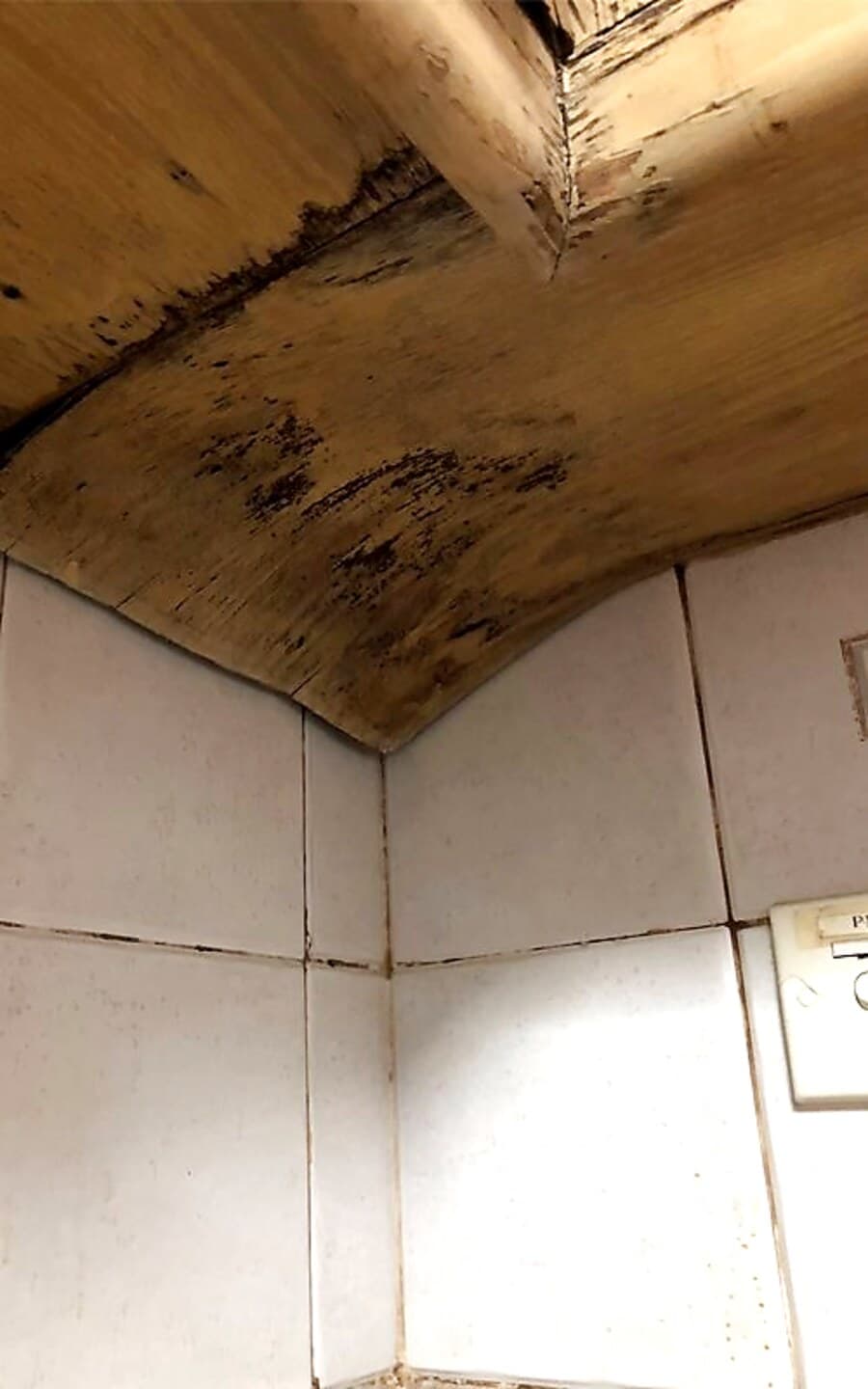
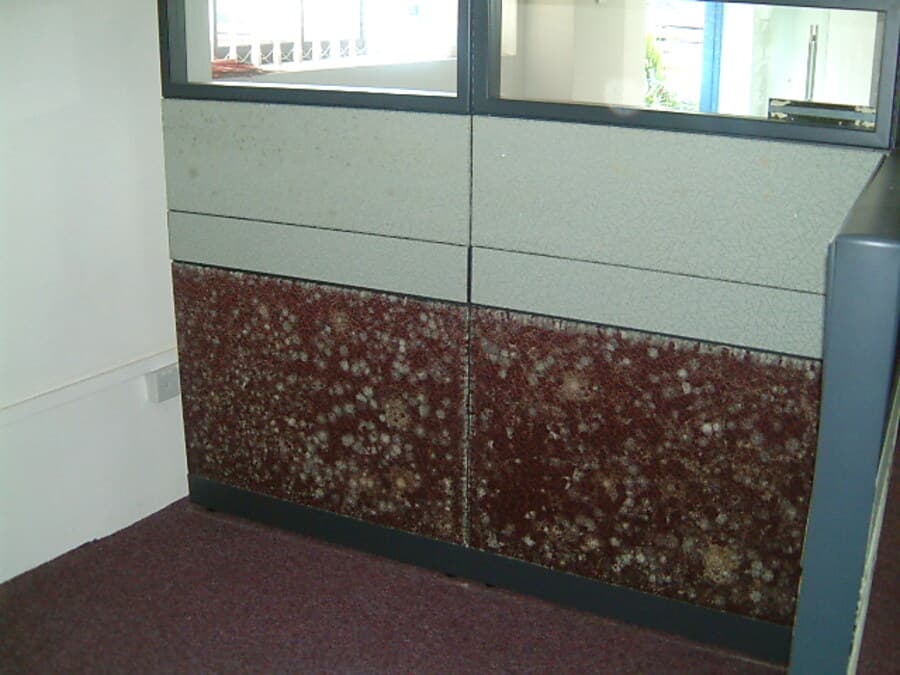
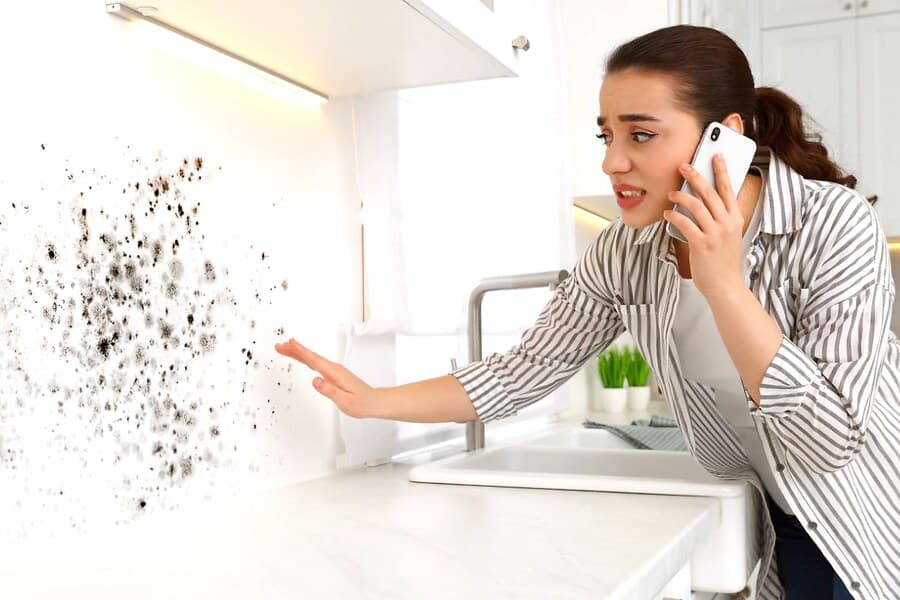
Mold and fungus can proliferate in any environment where high humidity is present, especially on porous substrates. Prolonged exposure to mold in enclosed areas poses serious health risks, particularly when pathogenic micro-organisms are involved. Disaster Restoration Singapore (DRS) has extensive experience in addressing indoor mold growth, focusing on identifying the root causes and implementing solutions to control and prevent future infestations.
This case study highlights DRS’s expertise in resolving mold problems in various indoor settings. Our approach encompasses not only the removal of existing mold but also educating clients on preventing future growth, thereby ensuring a healthier living or working space.
Addressing Health Risks and Source of Mold Infestation
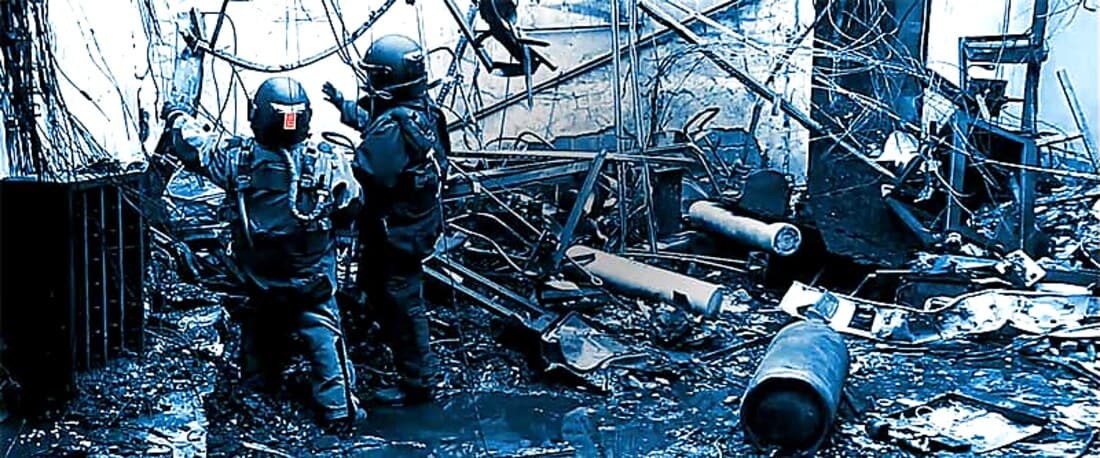
The challenge in mold remediation lies in effectively identifying and eliminating the mold source, which often requires a deep understanding of various mold species and their growth patterns. The health implications of mold exposure, particularly in closed environments, necessitate a comprehensive and safe removal process.
DRS faced the task of thoroughly cleaning the affected areas while ensuring the safety and health of the occupants. The goal was to implement a solution that would not only address the current mold issue but also safeguard the environment against future growth.
Identifying Mold Species and Implementing Bio-Decontamination
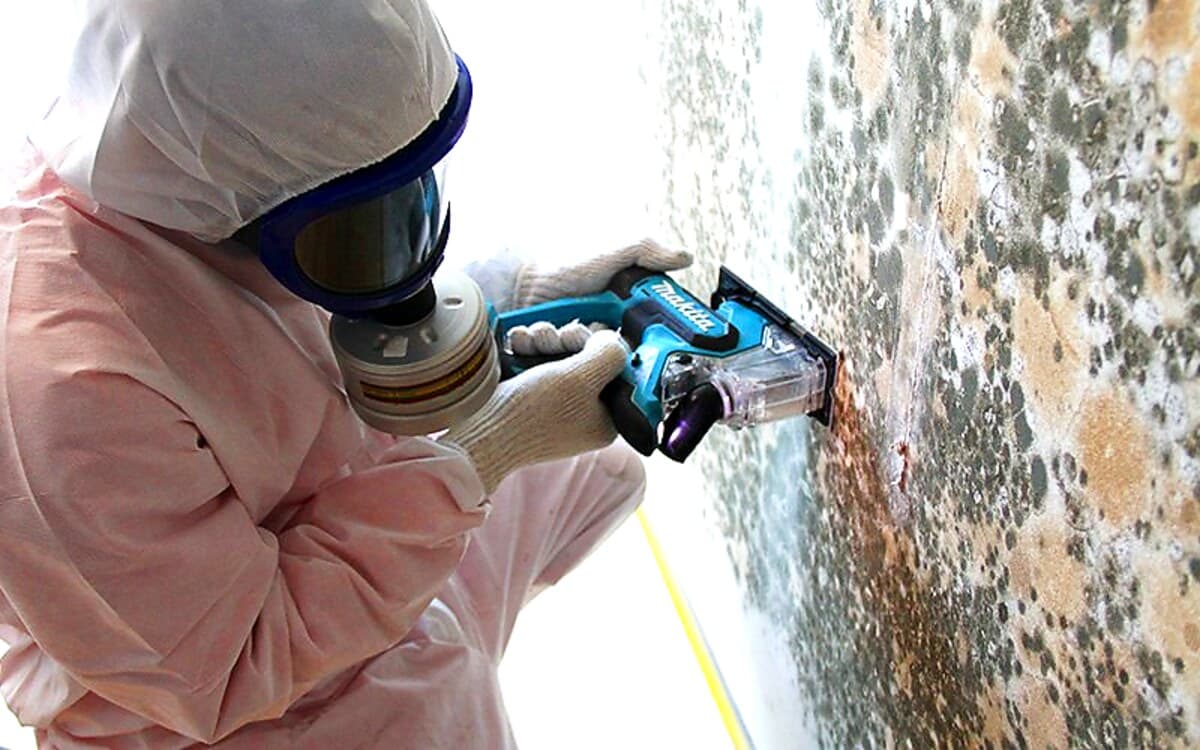
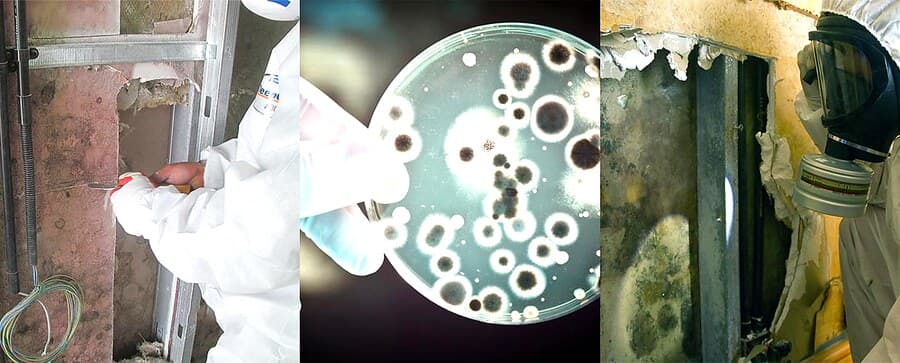
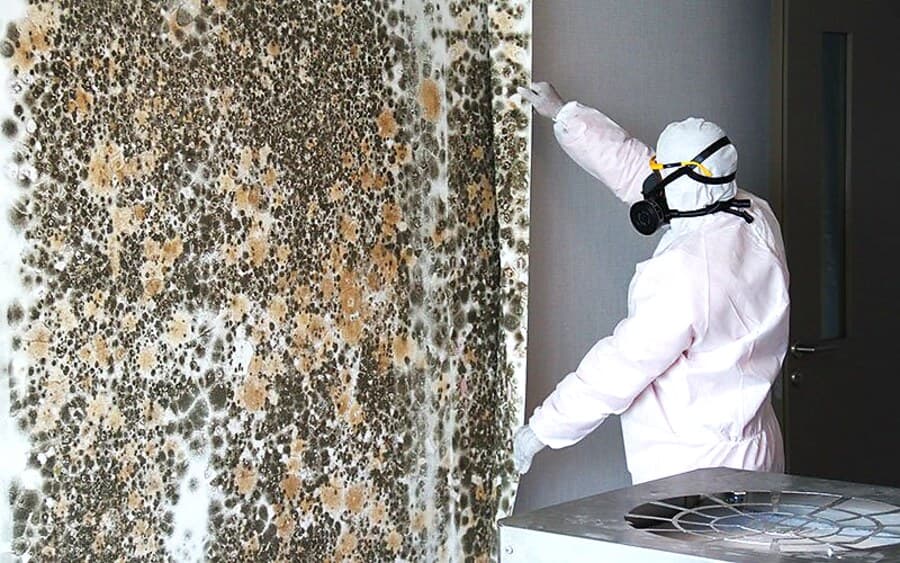
DRS provided a multi-faceted solution, starting with identifying the specific mold species present. The next step involved the complete removal of mold from the affected surfaces. An environmentally-friendly, non-leaching antimicrobial was then applied to these areas to inhibit future microbial growth.
During the bio-decontamination process, air scrubbers were deployed to cleanse the indoor air, removing and capturing both viable and non-viable airborne spores. This thorough approach ensured the effective elimination of mold and the maintenance of a clean, healthy indoor environment.
Creating Mold-Free Environments and Educating Clients
The impact of DRS’s intervention was significant. Clients were left with not only a mold and fungus-free property but also with valuable knowledge about mold problems and their prevention. The application of the antimicrobial treatment provided assurance against future mold and fungus growth, offering peace of mind and improved health conditions.
This case study demonstrates DRS’s commitment to providing comprehensive mold remediation services, focusing on both immediate resolution and long-term prevention, thereby enhancing indoor air quality and occupant health.
How we did it
Our remediation process
- 1
Species identification
Identify the specific mould species before treatment.
- 2
Mould removal
Completely remove mould from the affected surfaces.
- 3
Antimicrobial application
Apply an environmentally-friendly, non-leaching antimicrobial.
- 4
Air scrubbing
Deploy air scrubbers to capture viable and non-viable airborne spores.
- 5
Prevention & education
Advise the client on preventing future mould growth.
Have a mould remediation issue?
We respond 24/7 across Singapore and the region.
Results
What it delivered
Mould eliminated
The property was left mould- and fungus-free.
Air cleansed
Air scrubbing removed airborne spores from the space.
Recurrence prevented
Antimicrobial treatment guards against future growth.
Client educated
The client gained knowledge to prevent future problems.
On site
Project gallery
Related service
Mould Removal
Helpful resources