
Case Study
Eradicating Aspergillus Mold: Enhancing Indoor Environment Safety
Achieving safe, clean air: How expert mold remediation tackled a severe Aspergillus infestation.
- Location
- Singapore
- Issue
- Aspergillus mould (toxigenic)
- Primary Risk
- Respiratory health & liability
- Approach
- Speciation + HEPA remediation
- Goal
- Safe, clean indoor air
Identifying and Tackling Aspergillus Mold in an Indoor Environment
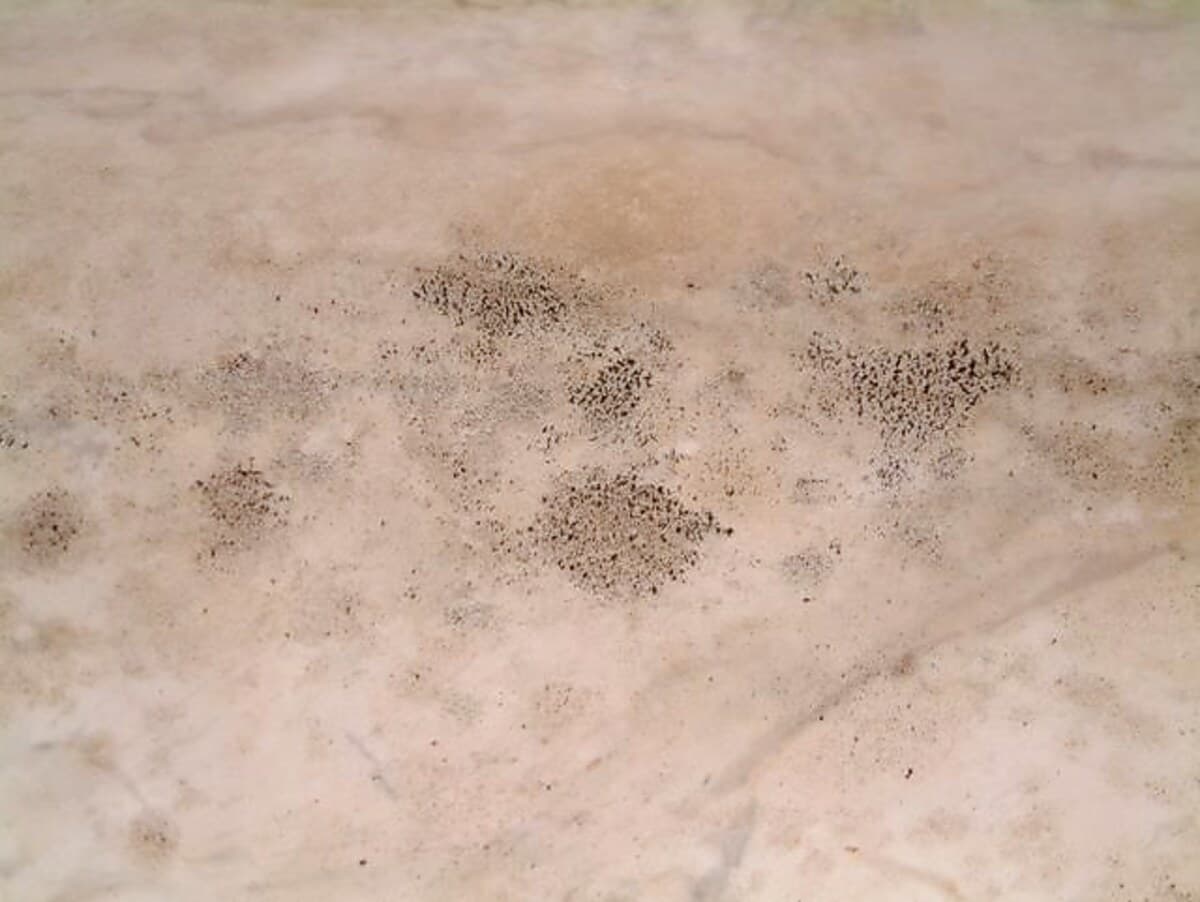
This case study details the successful intervention by our mold remediation experts in addressing a serious Aspergillus mold infestation in a client’s premises. Mold infestations pose significant health risks, especially when involving toxigenic and pathogenic species like Aspergillus. When our clients discovered the mold contamination, they promptly sought our specialized services, understanding the urgency and severity of the situation.
Aspergillus mold is notorious for its adverse health effects, particularly in individuals with compromised immune systems, respiratory conditions, or allergies. The presence of such mold in indoor environments is not only a health hazard but also a potential legal liability for property owners. This case study underscores the complexities involved in identifying and effectively eliminating Aspergillus mold infestations, highlighting our expertise in creating safer, healthier indoor environments.
Our approach to this challenge was multifaceted, combining advanced scientific methods with proven remediation techniques. The narrative that follows details our comprehensive strategy in tackling this hazardous mold infestation, the innovative solutions we implemented, and the impactful results we achieved in restoring the safety and health of the indoor environment.

Assessing the Risks of Aspergillus Mold in Indoor Spaces
The discovery of mold infestation in our client’s premises presented a significant challenge. Mold, particularly Aspergillus, can be a hidden threat, often proliferating in areas not immediately visible. Our initial task was to assess the extent of the infestation and identify the specific mold species present. This was crucial as different mold species require different remediation approaches, particularly when dealing with a toxigenic and pathogenic mold like Aspergillus.
Aspergillus mold is known for its potential to cause serious health issues ranging from asthma and lung aspergillosis to, in severe cases, death. The risk was heightened for occupants with pre-existing health conditions. Therefore, our response needed to be swift and effective to mitigate these health risks.
The challenge was further compounded by the need to ensure that the remediation process did not exacerbate the contamination. This required careful planning and execution of mold removal techniques to eliminate the mold without dispersing spores into the air and affecting indoor air quality.
This details the complexities and risks associated with Aspergillus mold remediation, highlighting the need for expert assessment and targeted intervention to ensure the health and safety of the building’s occupants.
Implementing Advanced Techniques for Aspergillus Mold Removal
Our solution to this challenging situation involved a comprehensive approach, employing state-of-the-art technology and best practices in mold remediation. Following thorough speciation and identification tests, we confirmed the presence of Aspergillus mold and formulated a targeted remediation plan.
The first step in our process was the decontamination of the affected area. This involved meticulous cleaning and removal of mold from all surfaces, ensuring that no trace of the infestation remained. We utilized HEPA air scrubbers, a critical component in our strategy, to purify the mold-contaminated indoor air. These scrubbers are designed to capture even the smallest mold spores, significantly improving the air quality within the premises.
To address the underlying cause of mold growth, we restored healthy relative humidity levels using dehumidifiers. This step was vital in preventing future mold outbreaks, as excess moisture is a primary factor in mold proliferation. Additionally, we applied a non-leaching antimicrobial coating to all affected surfaces. This coating provided a long-lasting barrier against not only Aspergillus mold but also other pathogenic microorganisms, ensuring the prolonged safety of the indoor environment.
This elaborates on the specific techniques and technologies employed in the remediation process, emphasizing the meticulous and thorough approach required to effectively eliminate Aspergillus mold infestations and prevent future occurrences.
Reaffirming Our Expertise in Handling Complex Indoor Mold Challenges
The impact of our mold remediation efforts was significant and multifaceted. Firstly, we successfully removed the highly dangerous Aspergillus mold from the client’s premises, directly enhancing the indoor air quality and ensuring the health and safety of the occupants. This immediate improvement in environmental conditions was crucial in preventing potential health issues among the building’s users.
Beyond the immediate health benefits, our intervention also had broader implications. The thorough removal and prevention of the mold infestation alleviated the client’s concerns about potential legal claims related to negligence in maintaining a healthy living environment. This aspect of our service demonstrates our commitment to providing not only a technical solution but also peace of mind for property owners.
The successful completion of this project also reinforced our reputation as experts in handling challenging mold remediation tasks. Our innovative approach and effective execution showcased our ability to address complex environmental health issues, setting a benchmark for similar cases in the future.
In conclusion, this case study highlights our expertise in the effective remediation of hazardous mold infestations, particularly those involving pathogenic species like Aspergillus. Our comprehensive approach ensured the safety and well-being of the building’s occupants, while also providing long-term solutions to prevent future mold growth.
How we did it
Our remediation process
- 1
Speciation & identification
Run speciation tests to confirm the Aspergillus species present.
- 2
Targeted decontamination
Meticulously clean and remove mould from all affected surfaces.
- 3
HEPA air purification
Use HEPA air scrubbers to purify the mould-contaminated air.
- 4
Humidity restoration
Restore healthy relative humidity with dehumidifiers to stop regrowth.
- 5
Antimicrobial coating
Apply a non-leaching antimicrobial coating to treated areas.
Have a mould remediation issue?
We respond 24/7 across Singapore and the region.
Results
What it delivered
Aspergillus removed
The toxigenic mould was fully removed from the premises.
Air quality improved
Indoor air quality was directly enhanced for occupants.
Risk reduced
Health and potential legal-liability risks were lowered.
Recurrence prevented
Humidity control and coating guard against future growth.
On site
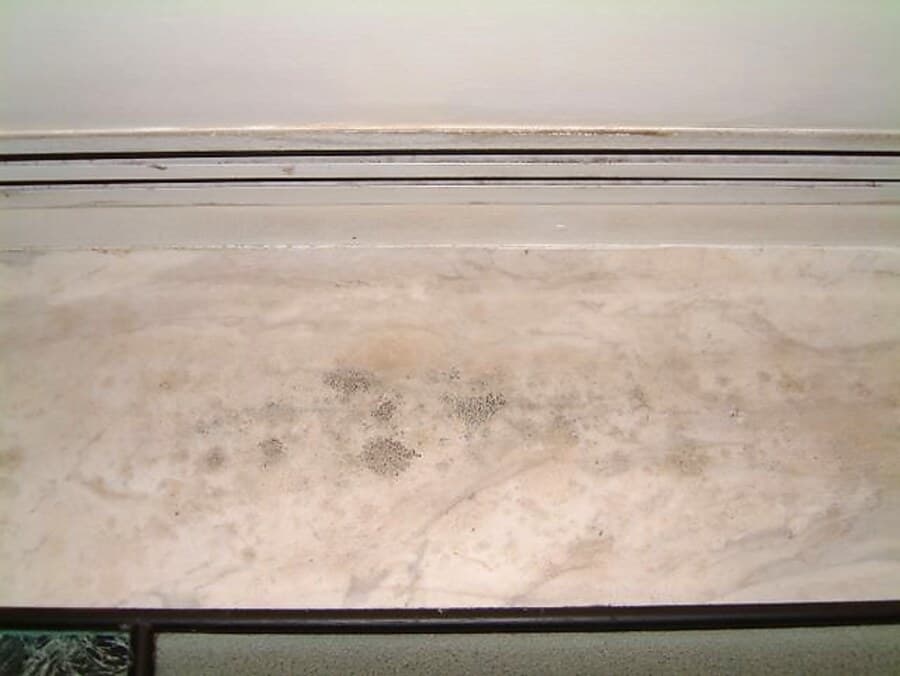
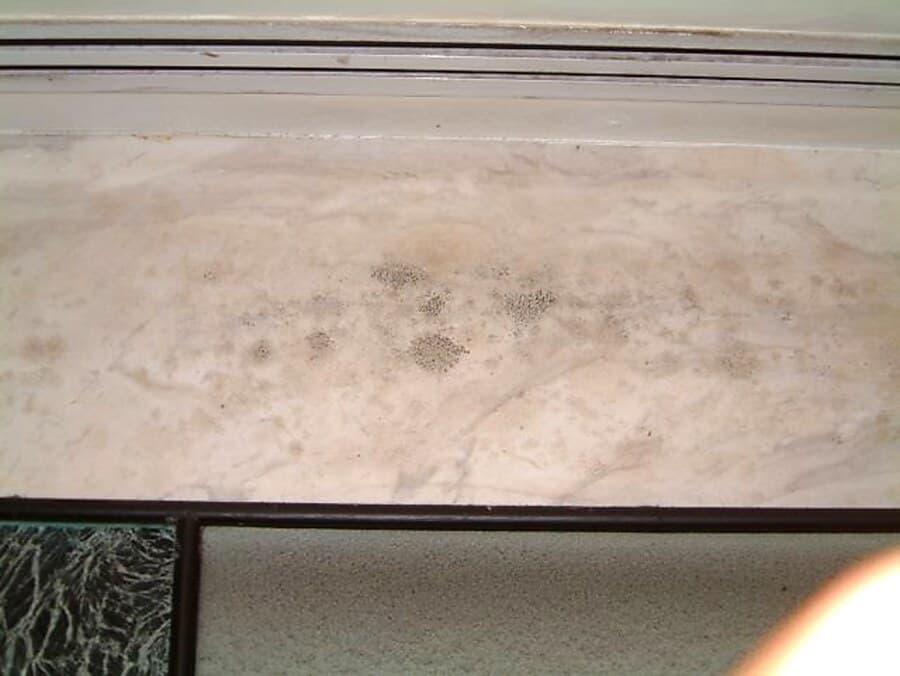
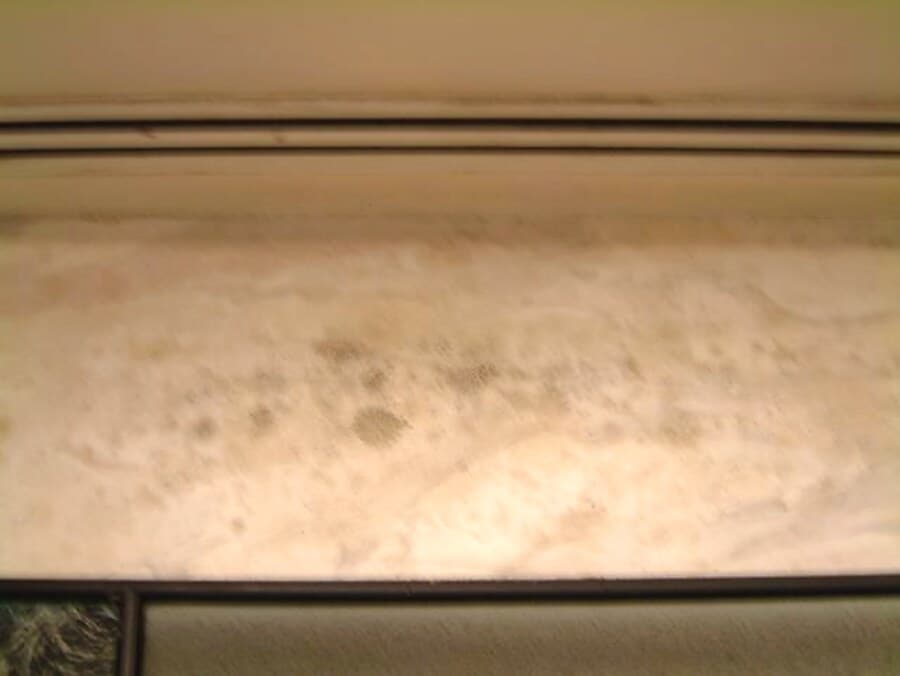
Project gallery

Related service
Mould Removal
Helpful resources