
Case Study
Effective Mold Removal in Workspaces: DRS’s Office Decontamination Approach
DRS efficiently resolves mold infestation in office partitions, ensuring a healthy workspace with advanced remediation techniques.
- Location
- Singapore office
- Issue
- Mould on new workstation system
- Primary Risk
- Staff health
- Approach
- HEPA scrubbing + bio-decontamination
- Goal
- Healthy, mould-free workspace
Addressing Mold Infestation in New Workstation System
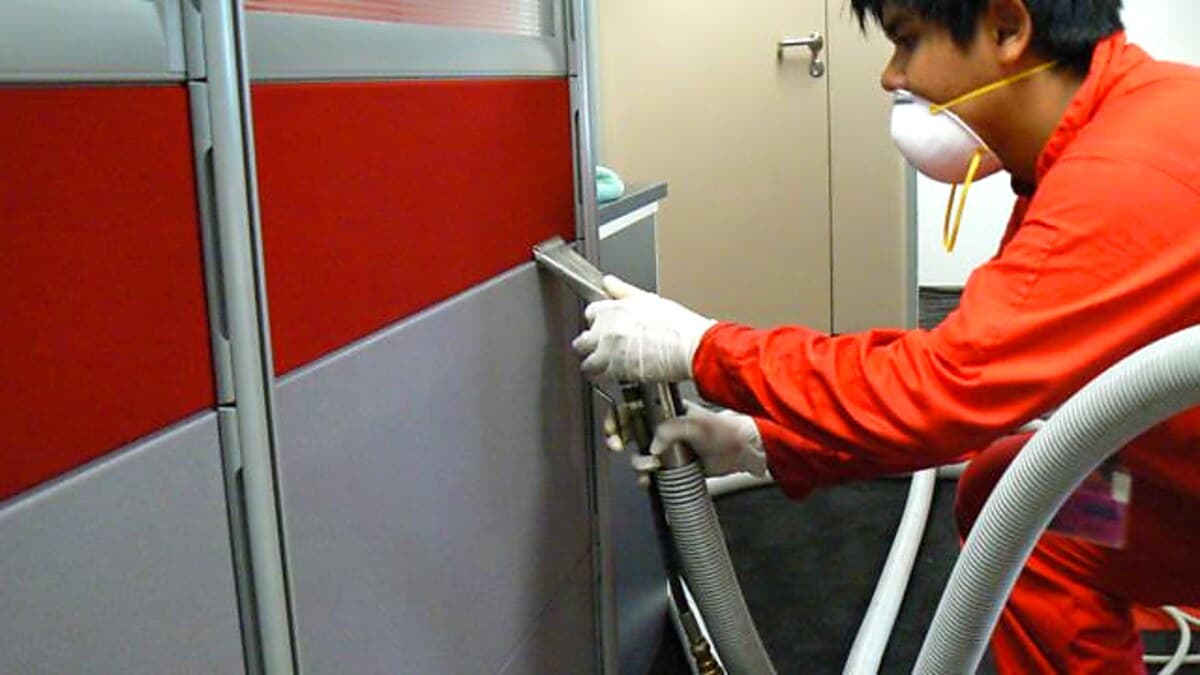
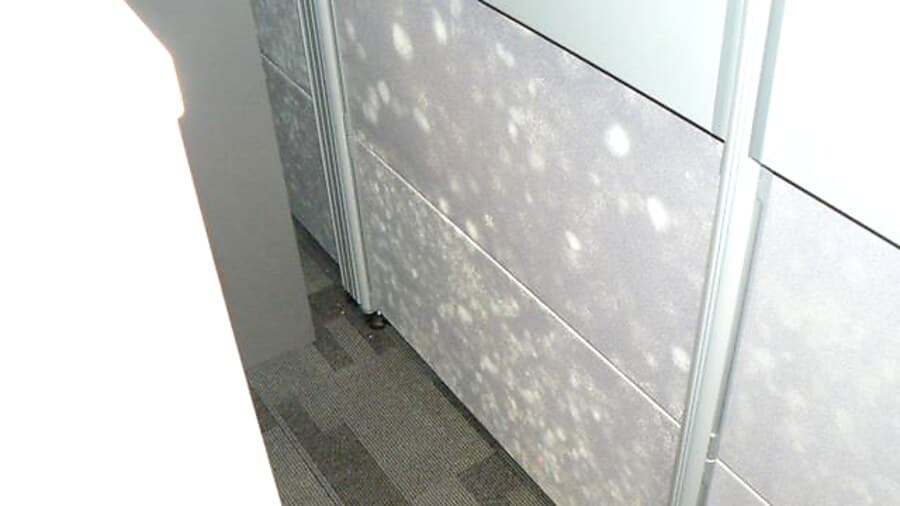
Disaster Restoration Singapore (DRS) was tasked with a critical mold remediation project in an office environment. The challenge was to investigate and resolve mold infestations that had developed on a newly installed workstation system. Understanding the root cause and implementing effective solutions was vital to ensure a healthy office space.
This case study demonstrates DRS’s ability to tackle complex mold problems. Our team’s focus was not only on eliminating the existing mold infestation but also on identifying and mitigating the factors that contributed to its growth. The goal was to restore the workstations to a safe and healthy state, ensuring the well-being of the office occupants.
Combatting Mold Growth in Office Environment
The primary challenge was to understand why mold growth had occurred in the new workstation system and to implement measures to effectively remediate it. Mold spores can pose significant health risks, and their presence in an office environment is particularly concerning.
DRS faced the task of deploying a comprehensive mold remediation strategy. This involved controlling the office environment to prevent further mold growth, while also using advanced techniques to remove the existing infestation safely and efficiently.
Comprehensive Mold Removal and Air Quality Management
DRS’s approach involved several key steps. Firstly, negative HEPA air scrubbers were used to flush out microbial spores from the office space. Throughout the remediation process, particulate counters were utilized to monitor mold spore levels, ensuring they were kept to a minimum.
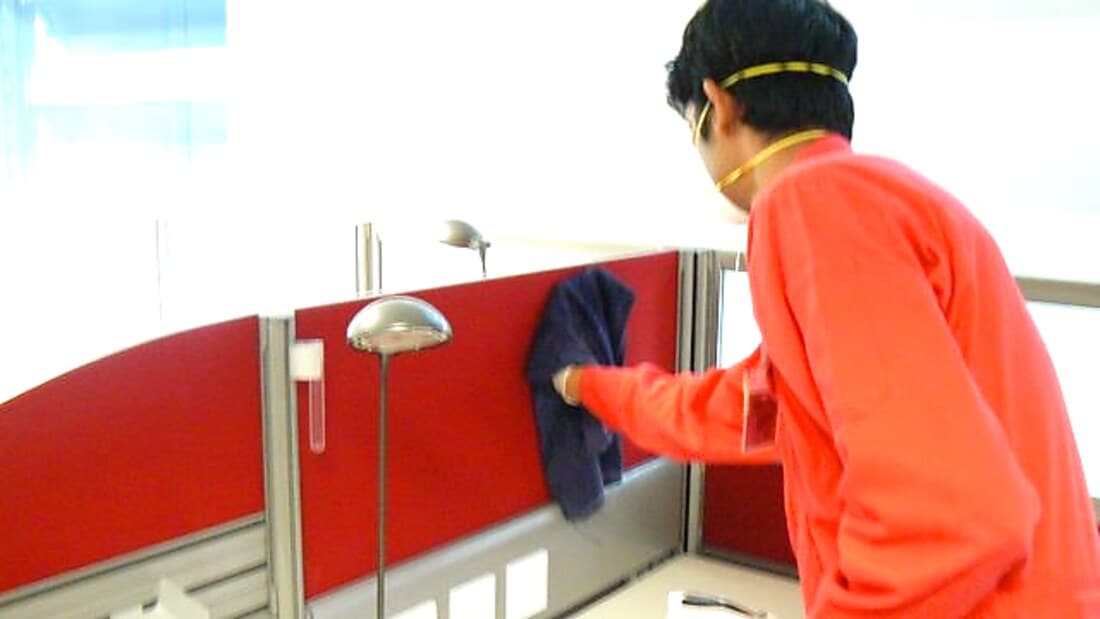
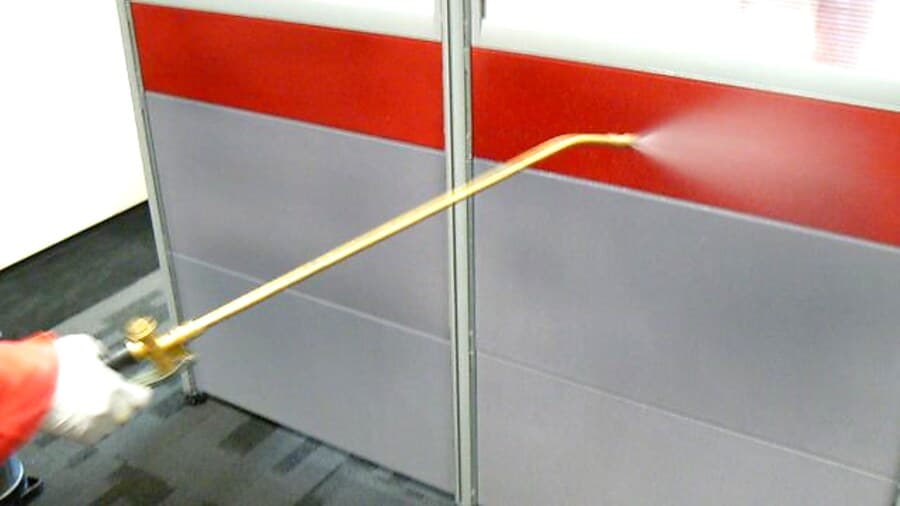
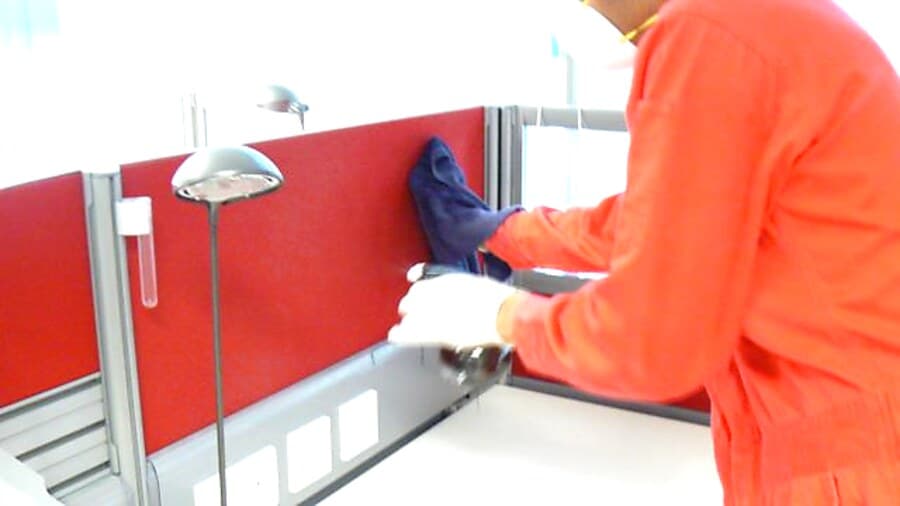
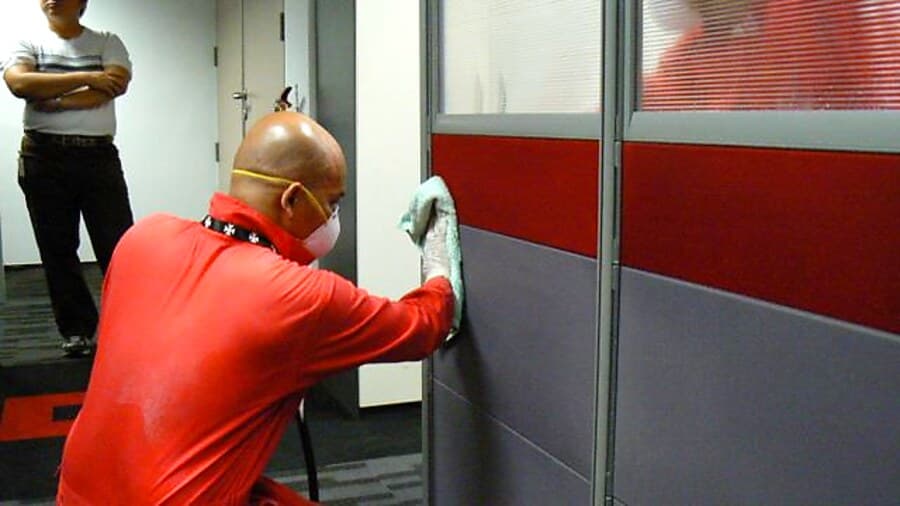
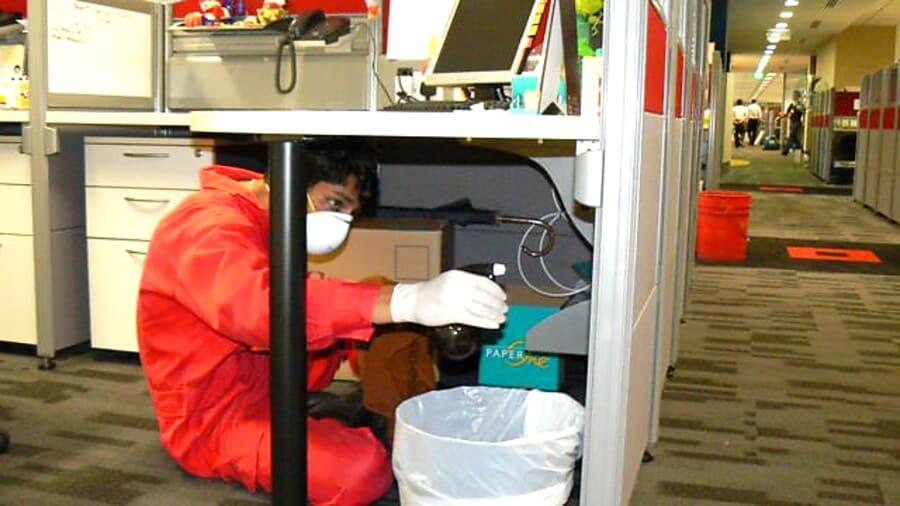
Dehumidifiers were deployed to control humidity and facilitate the drying process, while air scrubbers captured and removed both viable and non-viable airborne spores. Finally, thorough bio-decontamination protocols were implemented, followed by the application of a non-leaching antimicrobial to treated surfaces to prevent future mold growth.
Quick Remediation and Long-Term Prevention
The bio-decontamination was successfully completed within a day, and no visible mold growth has been observed since. This swift and effective response not only resolved the immediate issue but also contributed to a healthier and safer office environment.
The success of this operation reflects DRS’s expertise in handling environmental hazards in workspaces. By applying comprehensive mold remediation techniques and preventive measures, DRS ensured the long-term well-being of the office occupants and the integrity of the workstation system.
How we did it
Our remediation process
- 1
Root-cause investigation
Investigate why mould grew on the newly installed workstation system.
- 2
HEPA air scrubbing
Use negative HEPA air scrubbers to flush microbial spores from the space.
- 3
Humidity control
Deploy dehumidifiers to control humidity and aid drying.
- 4
Bio-decontamination
Run bio-decontamination while monitoring spore levels with particulate counters.
- 5
Antimicrobial treatment
Apply a non-leaching antimicrobial to treat the surfaces.
Have a mould remediation issue?
We respond 24/7 across Singapore and the region.
Results
What it delivered
Completed within a day
Bio-decontamination was finished in a single day.
No recurrence
No visible mould has returned since the works.
Air quality managed
Spore levels were monitored and kept to a minimum.
Workspace safe
The office was restored to a healthy condition for staff.
On site
Project gallery
Related service
Mould Removal
Helpful resources